Have you noticed that your head tends to lean forward when you work in front of the computer or use your mobile phone? This postural habit, common in our modern life, can cause a condition known as forward head syndromeIn this article, we will explore what this syndrome is, its causes, how it can affect your health, and what strategies you can implement to prevent and manage it.
What is Forward Head Syndrome?
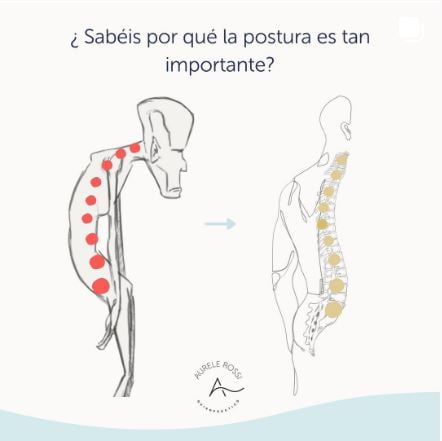
Forward head syndrome (FHS) refers to a posture in which the head is significantly forward in relation to the natural line of the spine. In an ideal posture, the head should be aligned with the shoulders and cervical spine, allowing for proper balance. However, when the head is projected forward, it increases the load on the muscles of the neck, shoulders and upper back, which can cause a number of discomforts and complications.
How common is it?
This syndrome is becoming more and more common due to the increased amount of time we spend in front of screens, whether at work, watching television or using mobile devices. The hunched position we adopt when looking at our phones or typing on the computer is one of the main causes of this condition.
Causes of Forward Head Syndrome
Forward head syndrome can develop due to a combination of factors related to posture and lifestyle. The main causes include:
1. Prolonged Use of Electronic Devices
The “text posture,” in which we tilt our heads to look at our mobile phones or tablets, puts significant pressure on the cervical spine. The longer we spend in this position, the greater the risk of developing this syndrome.
2. Misconfigured Workstations
Working with your computer screen too low or without proper support can cause your head to lean forward to see better, putting strain on your neck and shoulders.
3. Lack of Exercise
Muscle weakness, especially in the neck and trunk muscles, can contribute to the development of poor posture as the body lacks the support needed to maintain proper alignment.
4. Incorrect Postural Habits
Sitting or standing with your shoulders hunched and your head forward, whether during work, driving or relaxing, can contribute to the development of the syndrome.
Consequences of Forward Head Syndrome
Forward head posture not only affects the aesthetics of your body posture, but can also have significant impacts on your physical and emotional health. Some of the main consequences include:
1. Neck and Upper Back Pain
Tilting your head forward increases tension in your neck and shoulder muscles, which can lead to chronic pain and stiffness.
2. Muscle Tension and Spasms
The muscles in your neck and upper back must work harder to support the extra weight of your head in this position, which can lead to muscle strain and spasms.
3. Reduced Lung Capacity
Forward head posture can compress the chest, making it difficult to breathe deeply and reducing lung capacity, affecting oxygenation of the body.
4. Headaches
Tension in the neck and shoulder muscles can cause tension headaches, which are common in people with forward head syndrome.
5. Impact on Quality of Life
The constant pain and discomfort associated with this syndrome can affect quality of life, reducing mobility, productivity and overall well-being.
How to Prevent and Correct Forward Head Syndrome?
Although forward head syndrome is a common problem, there are many effective strategies you can implement to prevent and correct it. Here are some practical recommendations:
1. Adjust Your Workstation
- Make sure your computer screen is at eye level to avoid tilting your head forward.
- Use an ergonomic chair that provides support for your lower back and encourages an upright posture.
2. Take Active Breaks
If you work long hours in front of the computer, take regular breaks every 30 minutes to get up, stretch and move your neck and shoulders.
3. Strengthens the Neck and Trunk Muscles
Incorporate specific exercises into your routine that strengthen the muscles of your neck, shoulders, and upper back, such as the chin tuck or trapezius strengthening.
4. Correct Your Posture
Be aware of your posture at all times. When walking, keeping your shoulders back and your head aligned with your spine can help reduce neck strain.
5. Avoid the “Text Pose”
When using your mobile phone, hold the device at eye level to reduce forward tilt of your head.
The Role of Chiropractic in the Management of Forward Head Syndrome
Chiropractic can be a valuable tool in correcting spinal alignment and relieving symptoms associated with forward head syndrome. Chiropractors work on aligning the cervical vertebrae and improving the body's biomechanics, which can reduce muscle tension and promote healthier posture.
Benefits of Chiropractic in This Syndrome:
- Correction of Misalignments: Chiropractic adjustments can help restore the natural alignment of the cervical spine.
- Pain Relief: Reducing pressure on the nerves and muscles in the neck relieves pain and stiffness.
- Improving Mobility: Chiropractic adjustments improve flexibility and range of motion in the cervical area.
Conclusion
Forward head syndrome is a common postural problem in the modern era, but with the right strategies, you can prevent and correct it. Adopting healthy habits like adjusting your workstation, strengthening your neck muscles, and being aware of your posture, combined with chiropractic care, can make a huge difference in your physical and emotional well-being. Remember that good posture not only improves your appearance, but it also protects your long-term health.